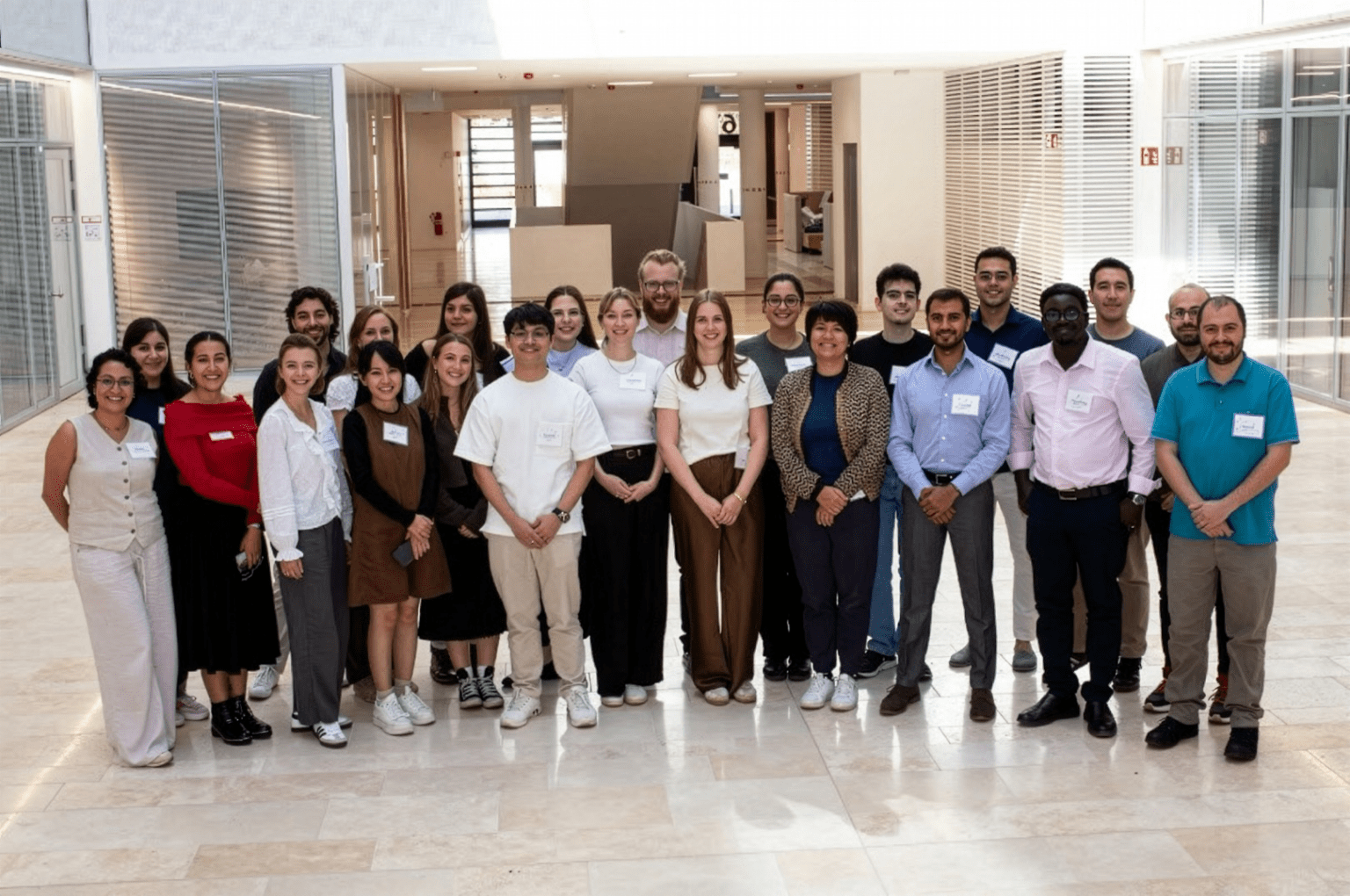
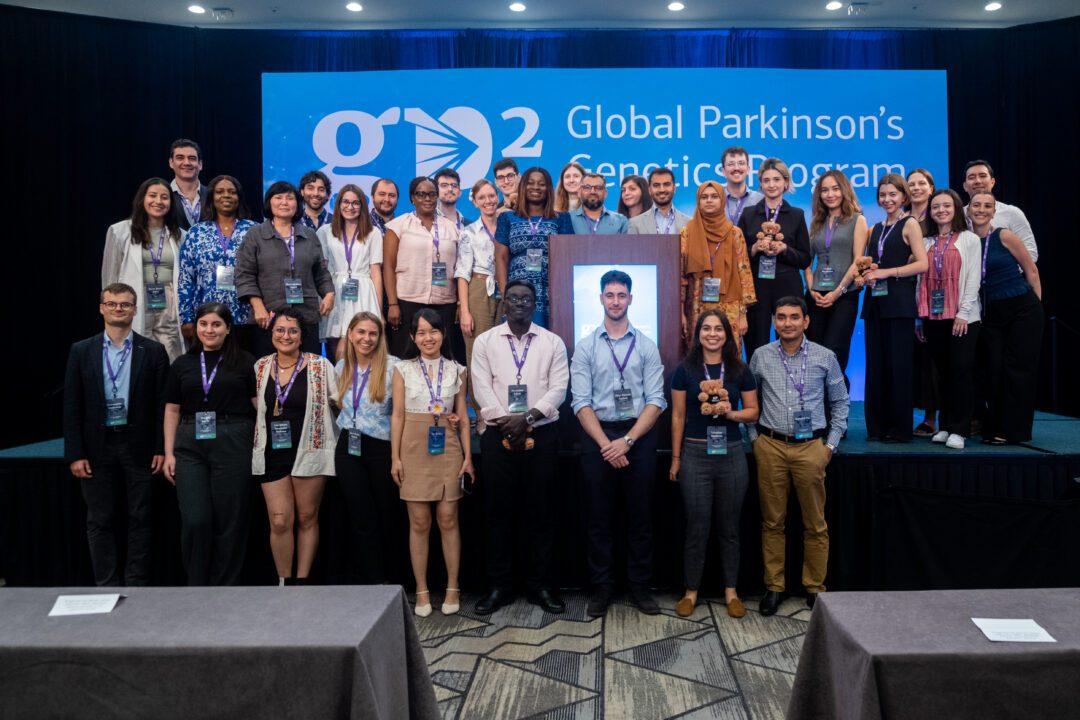
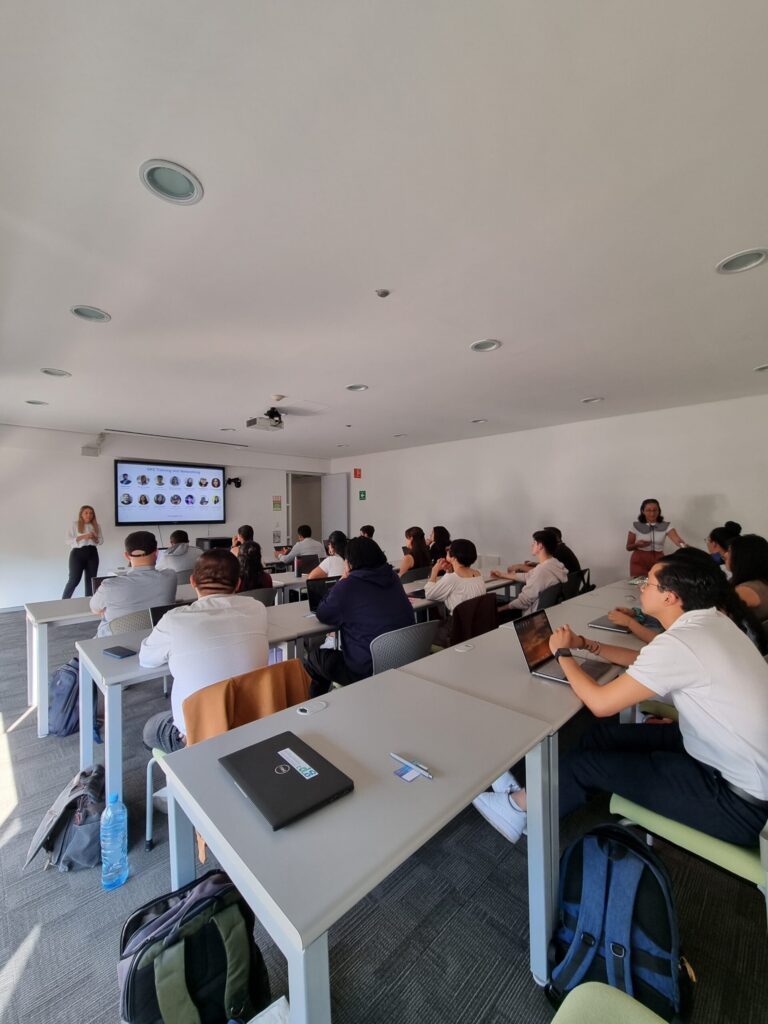
Training Workshops, Hackathons, and Regional Training Initiatives
These GP2 training initiatives are open to investigators and clinicians at all levels of expertise and career stages, and offer opportunities to develop data analysis skills while promoting collaborative research. The training includes bioinformatics workshops that provide hands-on experience with the GP2 data, analysis pipelines, and tools, alongside regional training initiatives that deliver locally relevant training, support peer learning, and strengthen regional research capacity.
GP2 Learning Platform
This free online learning platform makes GP2 training materials accessible to learners worldwide. The courses cover key topics including Parkinson’s disease genetics, the return of genetic results, and bioinformatics at beginner and intermediate levels. These courses leverage GP2 and AMP® PD genetic and clinical data and utilize Terra and Verily Workbench platforms. The courses include theoretical and practical interactive demonstrations, assessment quizzes, and recommended readings. To actively promote global participation and help overcome language barriers, courses are available with subtitles in up to 100 languages.
Micro e-Learning Program
The Micro e-Learning Program is available to everyone on the GP2 Learning Platform and ASAP’s YouTube channel. Browse the virtual training courses developed by GP2, featuring 5-minute videos designed to simplify complex topics in PD genetics and support quick, focused learning
My sabbatical at the Mata Lab at Cleveland Clinic was an incredible experience. I developed valuable research skills and gained new perspectives that have significantly contributed to my PhD work. It was a great opportunity to collaborate with a talented and supportive team.
Sabbatical and Visiting Scientist Program
Distributing expertise across sites is essential for building local capacity. The GP2 Sabbatical and Visiting Scientist Programs support this mission by strengthening local research capacity and developing knowledge and skills in Parkinson’s disease genetics. The Sabbatical Program is designed for members of the GP2 Trainee Network to apply for funding to pursue a sabbatical for up to six months at a GP2 site. The Visiting Scientist Program supports researchers and clinicians within the GP2 network to either visit a host site or serve as a host for up to four weeks. Application details are available upon request and considered on a rolling basis.
Master’s and PhD Programs
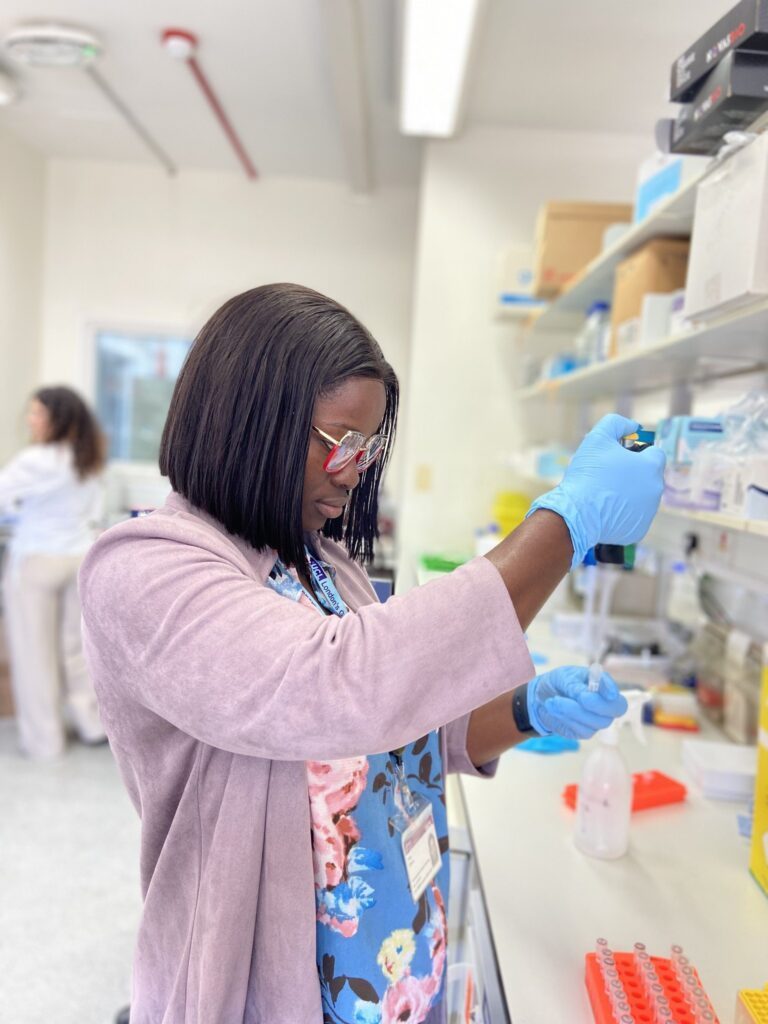
We believe that creating Master’s and PhD training opportunities in underrepresented regions is essential to expanding our reach and building research capacity where it is most needed. To date, the Training and Networking Working Group have funded 20 PhD students and 11 master’s students across Asia, Africa, Australia, Latin America, and Eastern Europe. This program has concluded, and applications are no longer being accepted, but we remain committed to supporting all funded trainees.