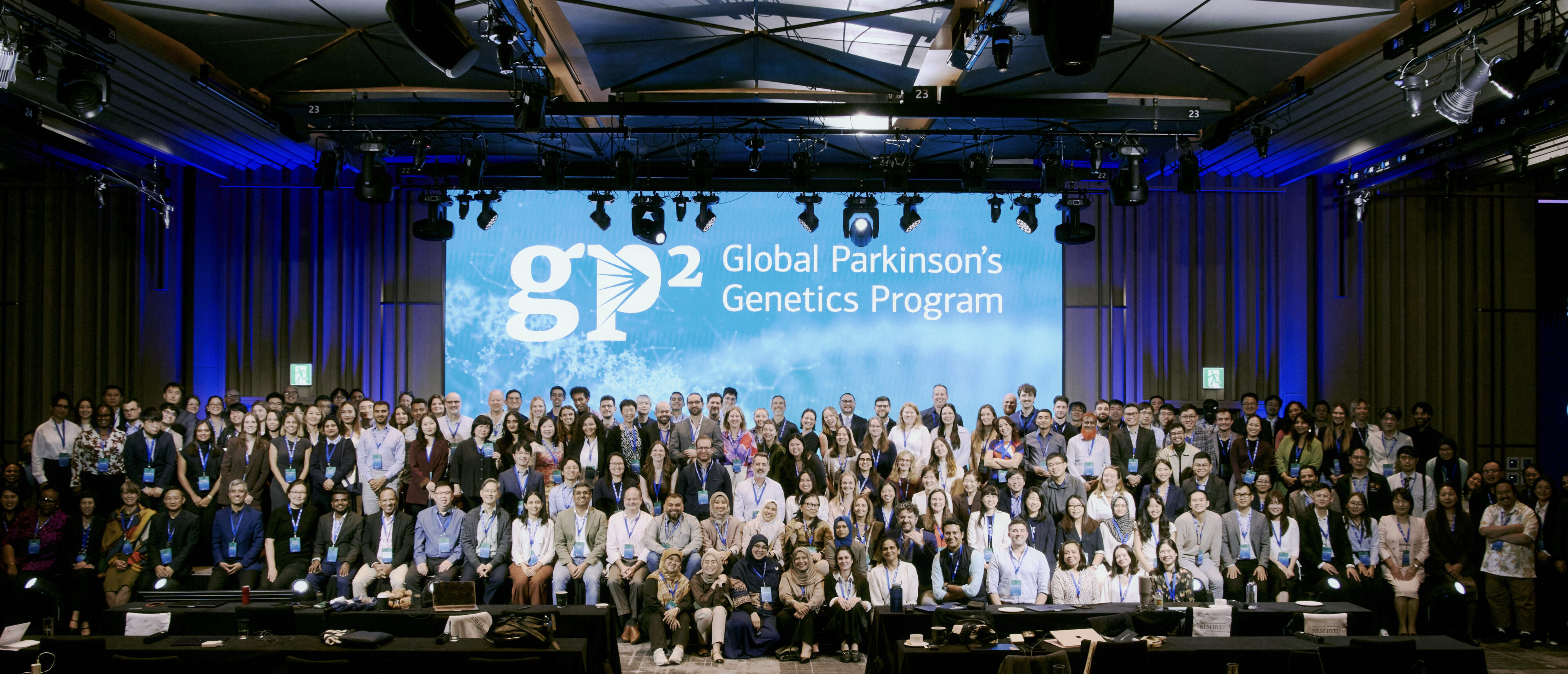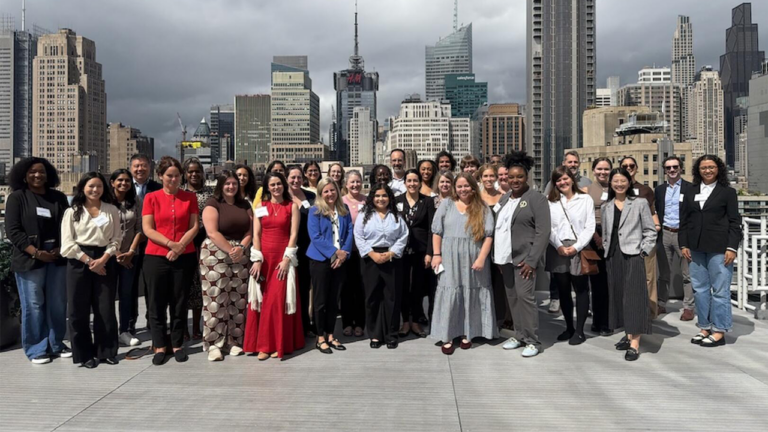

On October 1-2, 2026, over two hundred researchers, clinicians, and trainees gathered in Seoul, South Korea, for the Global Parkinson’s Genetics Program (GP2) Asia & Oceania Regional Investigators Meeting (RIM). As scientists working in Parkinson’s disease (PD) genetics, attending this two-day meeting offered an inspiring vantage point on the momentum transforming our field across the region. Looking back at where our community stood during the previous regional meeting in 2024, we’ve achieved remarkable progress in participant recruitment, sample collection, and cross-border collaboration within our region.
A Flourishing Regional Community
Home to some of the world’s earliest civilizations, the Asian/Oceania region has shaped human history through cultural, artistic, and scientific advancements, including Dr. Nobu Hattori’s landmark discovery of the PRKN gene in 1998. Yet, despite representing 4.9 billion people speaking over 3,500 languages, these populations have been historically underrepresented in PD research.
The 2026 GP2 RIM in Seoul shows how we are rewriting that narrative. The Seoul meeting brought together 235 attendees representing 50 countries, with 172 participants hailing directly from Asia and Oceania. A total of 26 countries across the Asia/Oceania region are now actively contributing samples to GP2, representing a crucial step toward addressing historical underrepresentation of these ancestries in PD genetic studies.
The meeting highlighted major milestone updates across regional cohorts. Among these was the celebration of the first sample shipment to GP2 from Sri Lanka, submitted by the University of Colombo & National Hospital of Sri Lanka. Attendees also reviewed significant data updates across East Asian, Southeast Asian, Central Asian, South Asian, and Middle Eastern populations from GP2’s 12th data release, alongside recent landmark publications, including the Taiwanese GWAS published earlier this year.
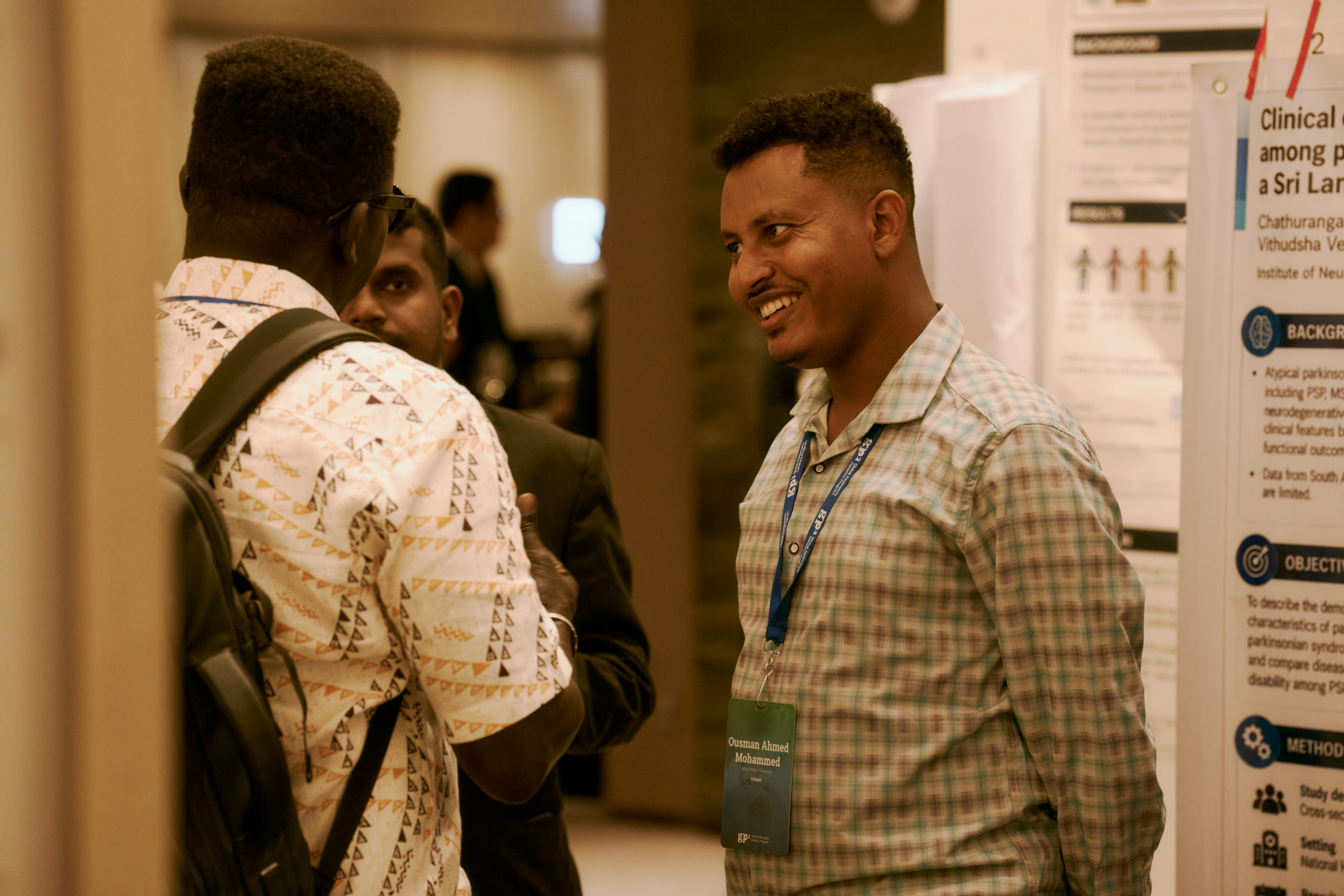
Scientists discuss their research and network during the poster session.
Overcoming Barriers through Trust and Creative Engagement
Panels throughout the meeting addressed regional challenges and strategies for expanding involvement in underrepresented populations (URPs). A recurring theme was the fundamental importance of trust-building. In regions with histories of colonization, building trust with an international consortium requires partnership, transparency, and sustainable local investment. Regular in-person meetings like the Seoul RIM help strengthen these bonds over time. Furthermore, empowering and training local personnel to lead workshops and manage recruitment ensures that research expertise remains rooted within host communities.

Panelists during a discussion of challenges and opportunities within Asia and Oceania.
Delegates also explored creative, community-centered approaches to recruitment. A standout example was a highly successful patient recruitment campaign for ChulaPD’s CheckPD in Thailand, centered on a social media dance video. The lighthearted video not only demystified research participation for patients but also brought joyful energy to the conference breaks as attendees joined in the dance!
Beyond recruitment, sessions addressed the critical question of returning and utilizing genetic findings locally. GP2’s multi-faceted approach to expertise exchange, including sponsored research sabbaticals, regional bioinformatics workshops, and hands-on training, is actively closing the gap between raw data generation and local clinical translation.
Trainee Innovation and Research Milestones
Early career researchers are playing a central role in driving regional discovery. Currently, 22 approved GP2 projects are led by investigators in Asia and Oceania, with 7 active trainee projects spearheaded by emerging researchers from the region.
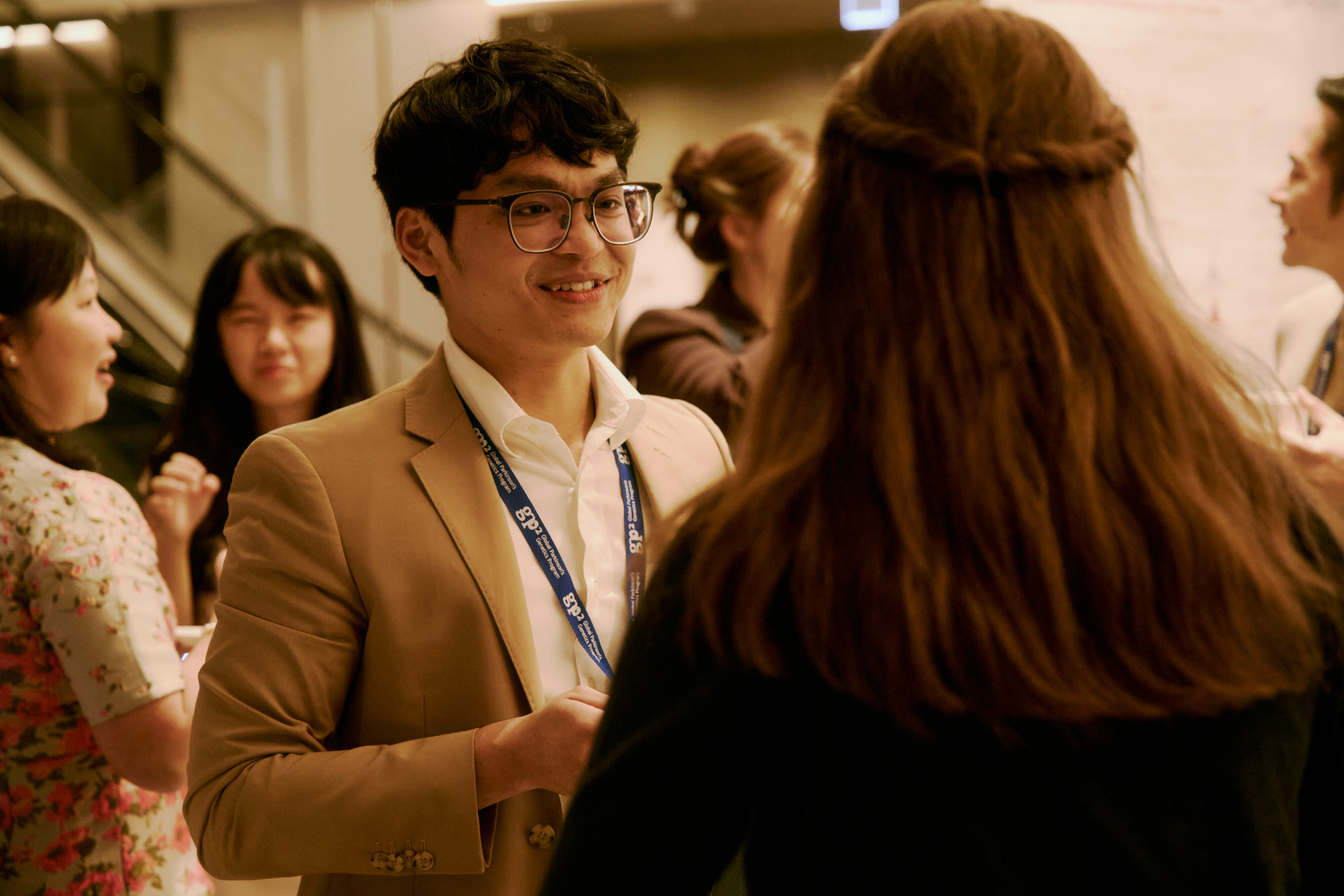 Meeting attendees chat during a coffee break.
The vibrant poster session on Day 1 provided a stage for trainees to present cutting-edge discoveries. We extend warm congratulations to the three poster prize winners, by popular vote:
- Aayat Khan: Genetic Convergence on a Mitochondrial-Autophagic-Lysosomal-Vesicular Network in Indian Young-Onset Parkinson’s Disease
- Kai Shi Lim: Genome-Wide Association Study for Parkinson’s Disease in a Multi-Ancestry Malaysian Cohort Using Global and Local Ancestry Inference
- Chathuranga Balasuriya: Clinical Characteristics and Functional Disability Among Patients with Atypical Parkinsonian Syndromes: A Sri Lankan Cohort
Perspectives and Reflections
Standing at the podium in Seoul to deliver my very first welcome speech for the GP2 Regional Investigator Meeting, I was filled with a profound sense of awe that permanently altered my perspective as a scientist. While traditional academic conferences can often feel routine, this room was charged with an entirely different kind of energy, defined by the bright ideas and beautifully clear, determined eyes of investigators traveling from underrepresented countries. Seeing these brilliant minds – who frequently overcome immense resource barriers at home – brought a vital, vibrant dedication to our shared mission of uncovering the pathogenesis of PD and developing new therapeutics. Their inspiring presence compelled me and all my Korean colleagues to rethink the critical importance of global collaboration in the fight against PD. Every session was truly impressive, from the engaging panel discussions to the insightful poster presentations. Looking out at my global colleagues, who are so deeply dedicated to their genetic research, I was moved by their raw motivation and intellectual clarity. I extend my deepest gratitude to the GP2 organizers for making this historic gathering possible, and to every single attendee whose passion and presence turned this meeting into an unforgettable milestone.
One of the most heartwarming things about this GP2 Regional Investigators Meeting in Seoul was seeing just how much GP2 has grown across Asia. We heard exciting findings from sites across the region, including many underrepresented populations, and for some investigators, this was their very first genetic research project and presentation. From new GWAS findings to emerging biomarkers, the science was exciting, but what struck me most was how much stronger the work became when we came together: sites combining datasets, and clinicians, geneticists, and data scientists bringing different perspectives to the same questions.
And somewhere between all that science, there was plenty of laughter, friendship and genuine community spirit. The Korean food also deserves a special mention: with so many delicious dishes to try, there simply was not enough time to sample everything. I came home with both my heart and my stomach very full, but most of all, inspired by how far this community has come and excited about where we are heading together.
GP2 continues to grow not just in science, but in people, connections, and friendships, and I hope we can keep this torpedo moving forward together!
Since attending my first GP2 meeting in Madrid in 2022, I have been deeply impressed by the spirit of teamwork that brings together neurologists, geneticists, and bioinformaticians from around the world. As a clinician-researcher working on the genetics of Parkinson’s disease and other movement disorders, I have been moved to see how these teams collaborate to identify novel genes and risk variants for neurodegenerative disorders. This shared effort accelerates our understanding of disease mechanisms, supports the discovery of markers for early detection and disease progression, and helps bring mechanism-targeted therapies into real-world practice. Joining the GP2 regional meeting in Seoul as a speaker and panelist reinforced my conviction that such collaboration is especially important for patients in underrepresented regions, including Asia, where genetic data remain limited and the need is greatest. No single center or country can address this gap alone; meaningful progress depends on international partnership, shared resources, and a shared commitment to inclusion. I am delighted to be part of this community and look forward to continuing to work together for people living with Parkinson’s disease and atypical parkinsonism.
The Seoul RIM, like the 1st Asian Kuala Lumpur RIM preceding it, was a great success. Participants could see that much progress has taken place over the past 2 years, with many new Asian sites onboarded, including countries that have been very underrepresented in medical genetic studies. We heard from numerous presenters, including many younger up-and-coming scientists and clinicians, about interesting findings emerging from all corners of the Asian-Oceanian region. I believe all these advances have been made possible by the generous collaborative spirit among GP2 members, and importantly the emphasis GP2 has placed, since its inception, on local capacity building.
Besides those findings already mentioned by my colleagues here, I was excited to see some important results emerging relating to GBA1-PD (e.g., mostly severe variants and clinical course in Asian GBA1-PD, observed in Malaysia; the severe L483R variant accounting for one-quarter of EOPD in Nepal, etc.) and PSP (e.g., East Asian and South Asian analyses showing up genes of importance beyond MAPT). A major highlight going forwards is the expansion of GP2 beyond genetics to also include biomarkers and deeper phenotyping.
I would like to thank the GP2 leadership and organizers for creating such a wonderful environment (great lodging and food, and well-appointed conference venue). Clinicians and scientists could comfortably meet and discuss face-to-face, enabling us to renew (or start new) friendships and greatly enhancing trust, essential ingredients to successful collaboration. It was also very heartening to see the synergies between GP2 and MDS, with many GP2 attendees supported to stay on and participate in the fantastic MDS Congress program.
Looking Ahead: Leading Global Parkinson’s Discovery Together
The overarching message from the meeting is clear: the region now possesses both the data volume and local analytical expertise necessary to lead global discoveries across diverse PD outcomes. By prioritizing teamwork and cross-border data-sharing, investigators are building the statistical power required to unlock complex genetic findings.
This progress resonated well beyond our meeting rooms. At the International Congress of Parkinson’s Disease and Movement Disorders (MDS) meeting held immediately following the GP2 RIM in Seoul, three presidential speakers commended GP2’s impact – a well-deserved recognition and indicator of the vitality and vibrance of our Parkinson’s research community.