As GP2 grows, so has both the volume and diversity of the genetic data available to researchers, alongside the breadth of expertise across GP2. During the earlier stages of GP2, training focused largely on complex disease genetics, reflecting the predominance of genotyping array data available at the time. Meanwhile, whole-genome sequencing (WGS) data and deeply characterised families were being generated and assembled.
With these resources now increasingly available, new opportunities are emerging to broaden GP2 members’ analytical approaches. The Training and Networking Working Group (TN WG) is therefore expanding its programme beyond its initial workshops in complex disease genetics, now working with experts across GP2 to introduce trainees to family-based genetics, rare-variant analysis, and related approaches.
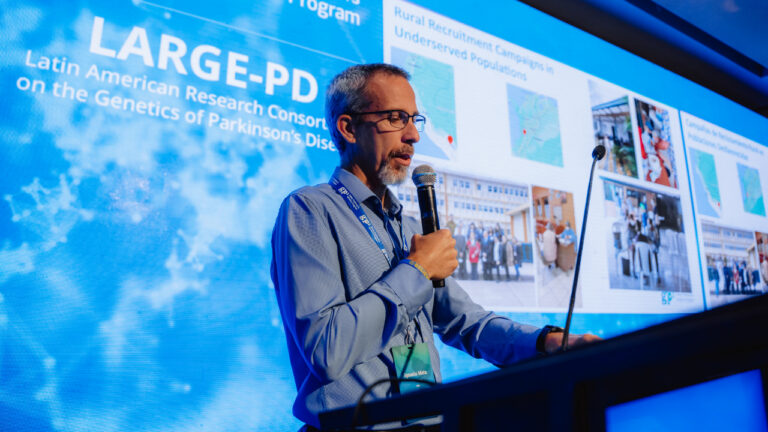
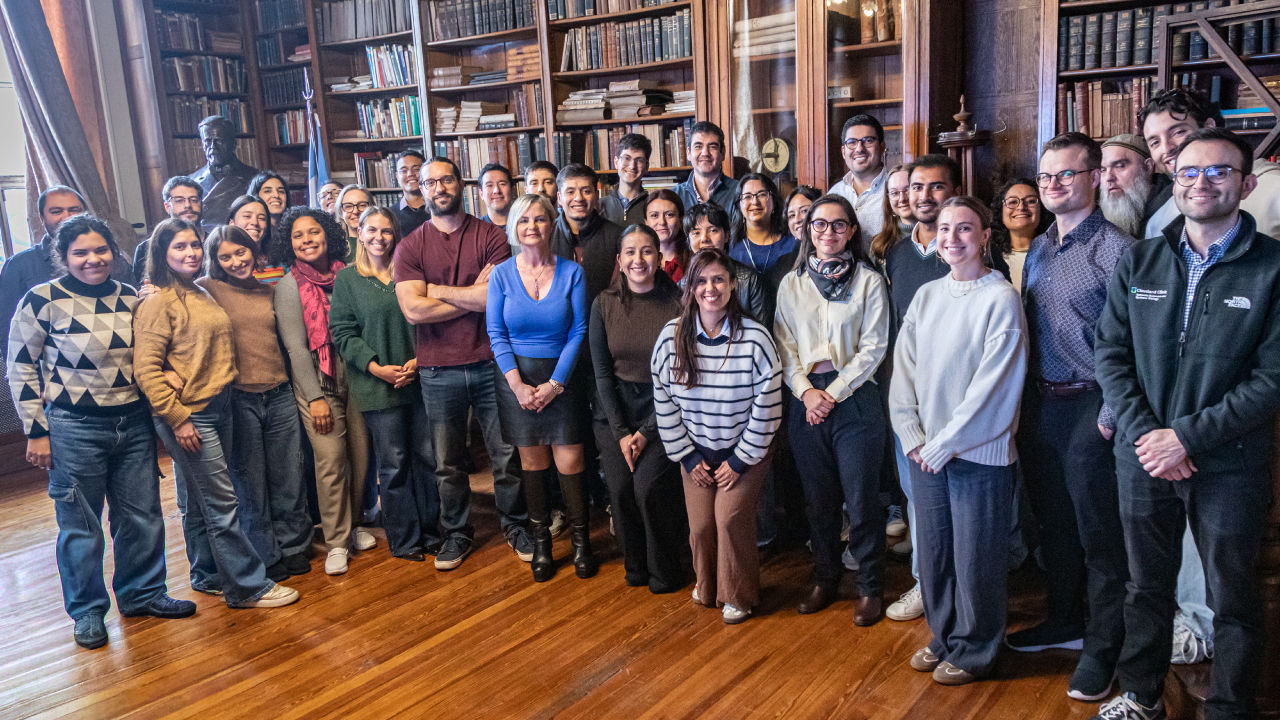
A recent example of this evolution was the GP2 Bioinformatics Training Workshop held in Buenos Aires, Argentina, on 19-20 August 2026. Developed in collaboration with the Family Analysis Working Group (FAWG), the workshop introduced family-based genetic analysis into the GP2 training programme for the first time. In total, 28 trainees from seven countries took part, bringing together researchers and clinicians from across Latin America, including Argentina, Chile, Colombia, Mexico, El Salvador, and Brazil. The workshop was hosted at the ANLIS-Malbrán Institute with support from Fernando Chinnici and Claudia Perandones, the director of the institute.
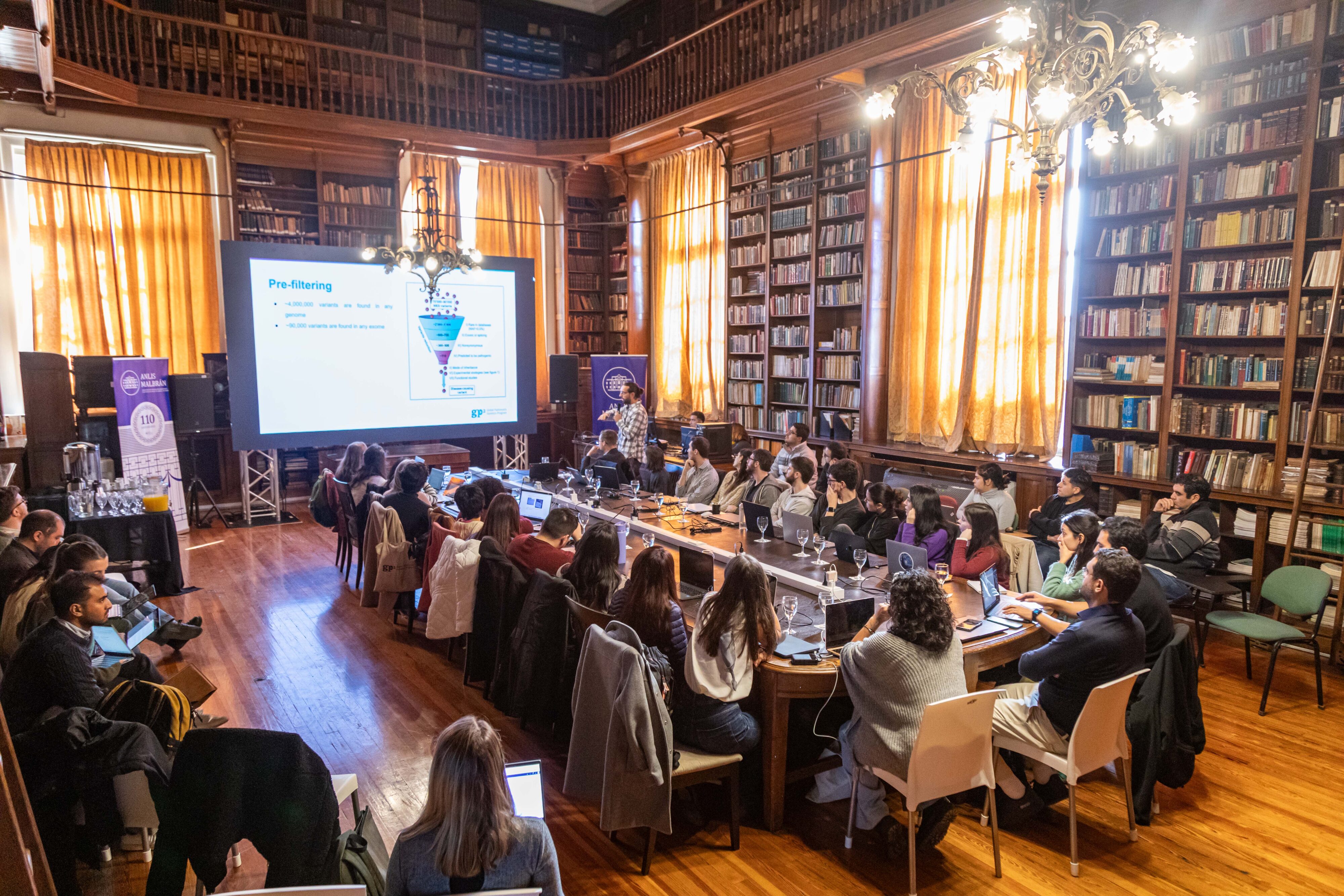 Attendees at a session during the GP2 Bioinformatics Training Workshop in Buenos Aires.
The workshop was delivered at both basic and intermediate levels, allowing sessions to be tailored to participants with different levels of previous bioinformatics experience. Most of the intermediate-level participants had attended previous GP2 workshops, including those held in Colombia, Brazil, Mexico, and Chile over the past four years, and were therefore ready to build on their existing skills with more advanced analyses.
Drawing on ongoing work within FAWG, the family analysis workshop introduced participants to approaches for investigating potentially monogenic and familial forms of PD. The session began with lectures covering inheritance patterns, pedigree construction, and variant analysis and prioritisation. Practical sessions then gave trainees the opportunity to construct pedigrees, identify and interpret candidate variants, and assess whether variants segregated with disease within families. In the intermediate sessions in particular, participants also explored copy number variants (CNVs) and short tandem repeats (STRs).
The workshop also explored how findings emerging from individual families can be followed up using larger datasets. Trainees were introduced to rare-variant burden testing to investigate whether potentially pathogenic variants within a candidate gene are enriched in people with PD compared with controls. In this way, family-based discoveries can be complemented by evidence from larger GP2 datasets, helping trainees move from the identification of a candidate variant or gene towards a broader evaluation of its potential role in disease.
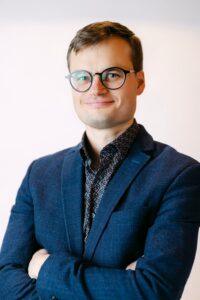
As trainer Konstantin Senkevich explained, the goal was to provide trainees with a “starting point for studying families in their own cohorts and following up their findings using GP2 data.” Importantly, the training does not end with the workshop itself. Participants can adapt the notebooks to their own projects and continue engaging with FAWG to discuss interesting family cases, share analyses and develop collaborative studies.
For trainer Carlos Hernandez, who had previously delivered the basic-level workshop in Chile, the progression among returning trainees was particularly noticeable. Many participants were now able to work more independently, troubleshoot analytical challenges, and explore the data themselves. This progression illustrates one of the longer-term aims of the GP2 training programme: enabling trainees to build their skills over time and move from introductory analyses towards increasingly advanced and independent research.
Ignacio J. Keller Sarmiento, also a trainer at the workshop and originally from Buenos Aires, described returning to his home city to contribute to the training of researchers and clinicians as particularly meaningful. He highlighted the engagement of the participants and the growing interest in genetic research across the region, noting the importance of education, collaboration, and mentorship in advancing science.
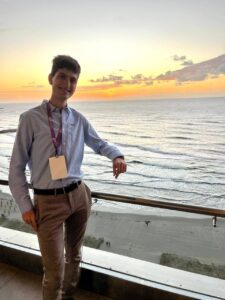
The workshop also highlighted the importance of building regional networks and creating opportunities for local researchers to become more closely involved in GP2. Nahuel Fonseca, a GP2-funded PhD student and local trainee who helped support the workshop and coordinate local activities, described the event as an opportunity to connect local students and researchers with both international experts and the wider GP2 network. He also highlighted the value of the discussions between trainers and trainees, which provided opportunities to receive feedback, refine analyses, and apply newly acquired tools directly to ongoing research projects.
Together, these experiences reflect how GP2 training is evolving alongside the initiative itself. As new datasets become available and expertise continues to grow across GP2, collaborations between the TN WG and other GP2 Working Groups are bringing new analytical approaches directly to trainees, helping expand research capacity across GP2 worldwide.