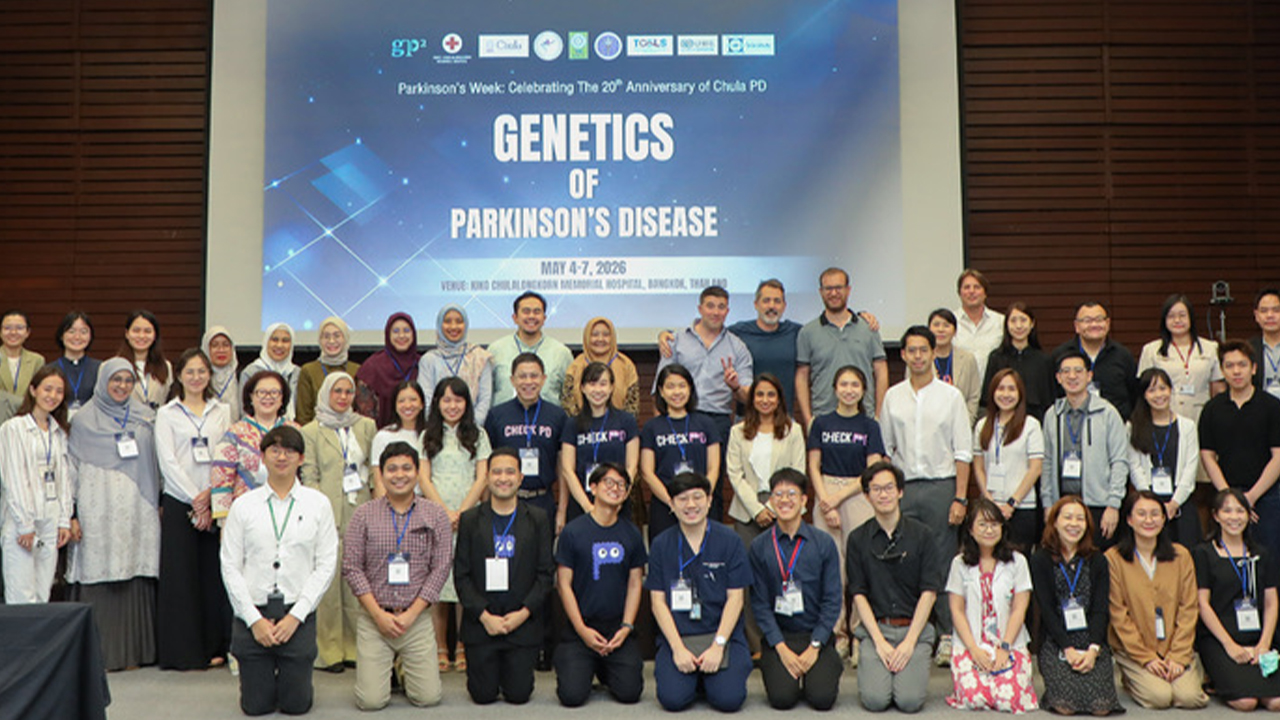
Clinicians and researchers from across Asia convened in Bangkok, Thailand on May 4-7, 2026 to attend a joint regional meeting and bioinformatics workshop. The event brought together participants committed to advancing Parkinson’s disease (PD) genetics research in populations that remain underrepresented in global studies.
Over the past few years, GP2’s collaborative efforts have helped drive the growth of PD genetics research across Asia. By supporting researchers in establishing local patient cohorts and expanding the contribution of genetic and clinical data, these efforts are improving our understanding of PD genetics in Asian populations.
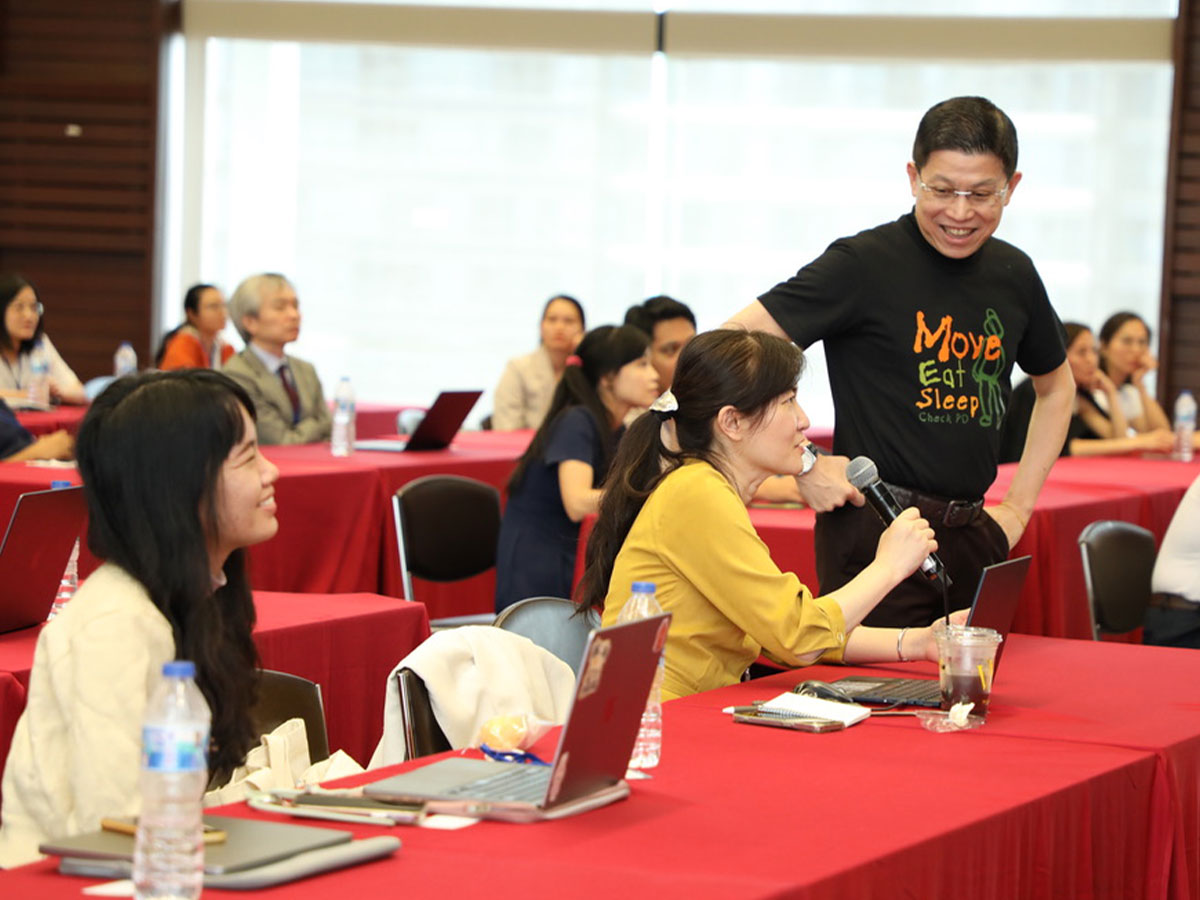
The regional meeting during the first two days aimed to advance GP2’s mission and strategic directions over the next three years and strengthen regional collaborations to enhance the collection of genetic and clinical data from Asian populations. Sessions encompassed a broad range of topics, including foundational genetics, ongoing GP2 initiatives in PD, and atypical parkinsonian disorders across Asian countries. Highlighted projects included the CHECK PD screening initiative and the establishment of genetic cohorts in both prodromal and clinically manifest PD populations in Thailand. Additional topics included environmental factors and their interaction with PD genetics, genetics in prodromal PD, therapeutic implications of genetic findings in PD, and lifestyle modification (EAT-MOVE-SLEEP) as a therapeutic strategy implemented in the Thai National PD Screening Cohort. The meeting also served as a platform to engage Southeast Asian researchers not previously involved in GP2.
A total of 80 participants attended, representing Thailand, Indonesia, the Philippines, Vietnam, Laos, Myanmar, and Malaysia. The meeting highlighted the importance of genetics from the earliest stages of disease, with the potential for future precision medicine approaches informed by population-specific genetic variation. This GP2-supported conference highlights the value of international consortia in facilitating scientific exchange across Southeast Asia. Notably, the meeting may serve as a foundational initiative for a proposed research project examining the influence of air pollution and its interaction with genetic susceptibility on PD risk, as well as the establishment of genetic cohorts to enable comparative analyses between urban and rural populations in Thailand. Additionally, biomarker cohort development in PD was extensively discussed, with active planning underway for collaboration with an established international cohort.
Building Skills and Capacity
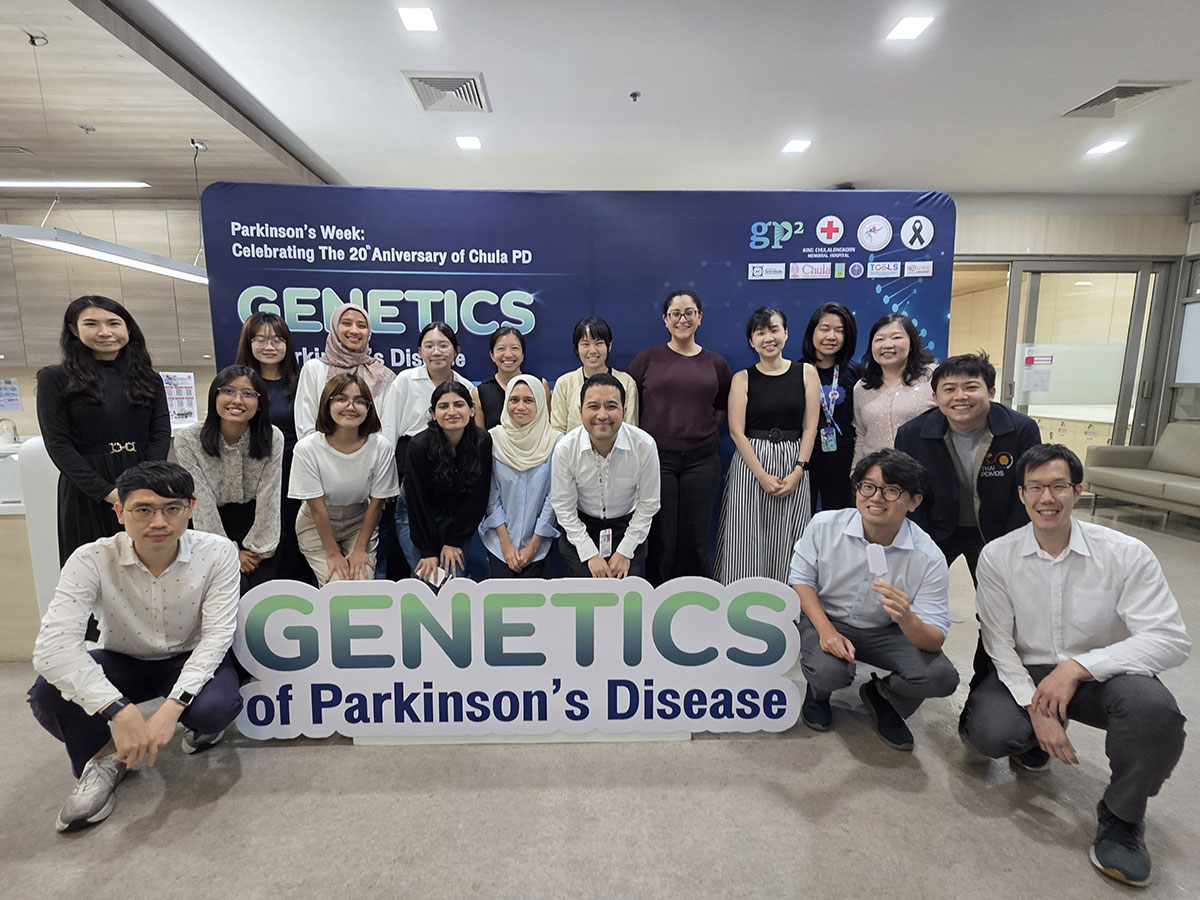
On the last two days of the event, a bioinformatics workshop aimed to equip participants with both practical technical skills and a broader understanding of how to interpret and communicate genetic findings. Bioinformatic capacity remains limited across Southeast Asian countries, and the majority of neurologists with an interest in PD possess insufficient expertise in this domain. The workshop brought together 20 participants from across South and South East Asia, including Thailand, Indonesia, Malaysia, and Pakistan. Participants represented a range of backgrounds including neurologists, movement disorder specialists, researchers, data scientists, and postgraduate trainees. Building local capacity is essential for understanding PD across diverse populations. By equipping researchers to lead analyses and interpret data from their own cohorts, these workshops offer participants the first step in developing the skills needed to drive locally-led research. Future projects will focus on single-gene analyses e.g. PRKN, as well as analyses of genetic and digital phenotypic correlations.
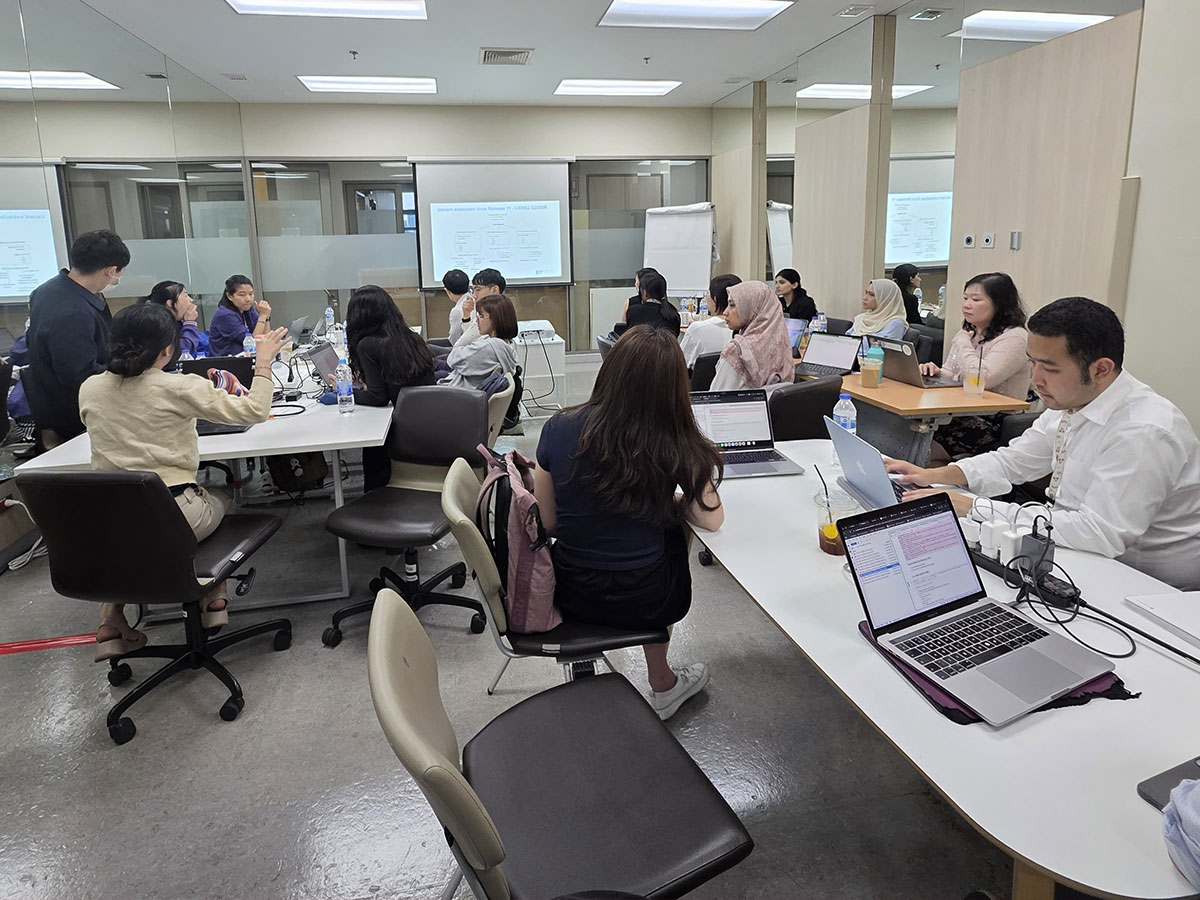
One day focused on hands-on training, beginning with an introduction to Verily Workbench, the platform GP2 uses to explore genetic and clinical data. The following sessions covered GP2 data resources, clinical feature analysis, identification of individuals carrying variants in established PD genes, and assessment of PD risk using case-control analysis. Applying these analyses to local cohorts will help identify genetic and clinical patterns that may be unique to Asian populations, whilst also generating insights into PD risk and progression globally. The next day, the focus shifted to the interpretation of genetic findings. Sessions covered manuscript writing for genetic studies, approaches to interpret genetic results, and best practices for returning and discussing genetic findings with patients.
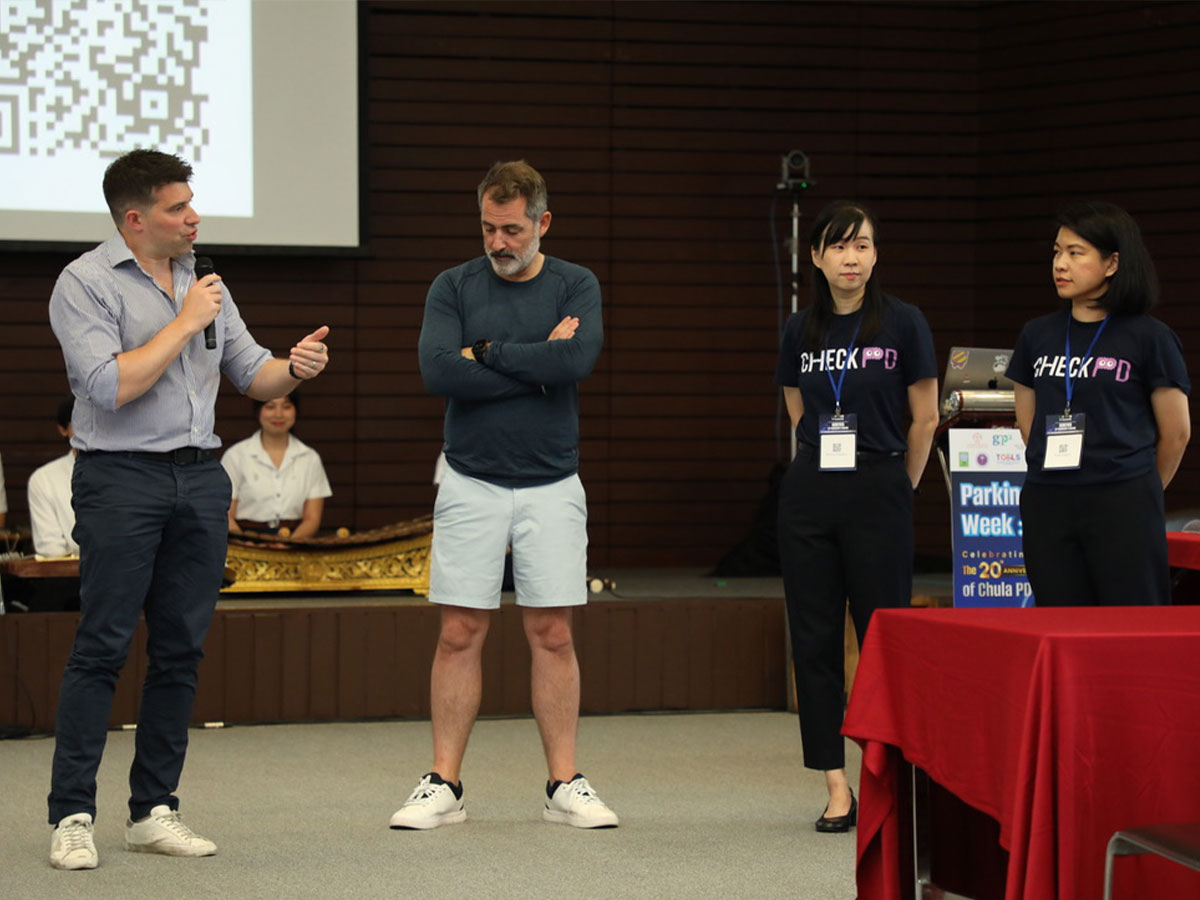
This event marked the fifth bioinformatics workshop held in Asia with support from the GP2 Training and Networking group, following previous workshops in Kolkata, India (2023), Kuala Lumpur, Malaysia (2024), and Bishkek, Kyrgyzstan (2024, 2025). Building on feedback and regional priorities, the program was tailored to address the needs of the local research community by covering foundational bioinformatics, variant interpretation, return of results, and scientific manuscript writing. The conference and workshop fostered new collaborations and stimulated the development of new PD genetics projects across Southeast Asia.
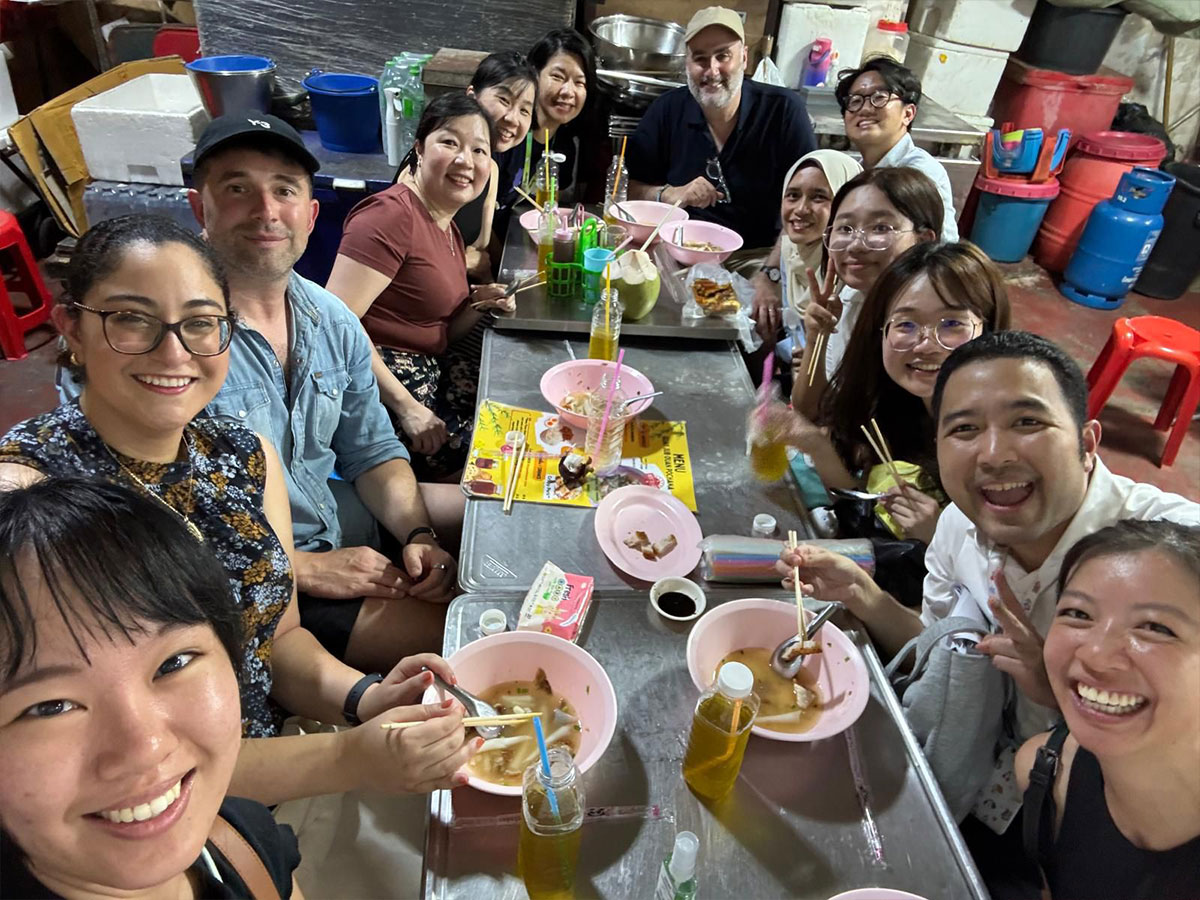
Beyond the sessions, participants had the opportunity to explore Bangkok and enjoy the city’s incredible street food together – especially the mango sticky rice, which quickly became a group favorite and a highlight of the week!
Perspectives from the Organizers
Being a speaker at this regional meeting—which was also my first time delivering an international lecture—and serving as a trainer in the workshop for the first time was a meaningful milestone in my career. Three years ago, I attended the very first GP2 Bioinformatics Workshop in Kolkata, India, as a trainee. Having experienced both sides of the journey has given me a deeper understanding of the challenges and excitement that come with learning new skills. It has also shaped the way I teach, encouraging me to explain concepts from perspectives that are accessible to beginners. My own journey has been greatly enriched by the guidance, generosity, and support of many mentors and colleagues, particularly those in the GP2 Training and Networking Group. I am grateful to GP2 for providing opportunities to learn, grow, and contribute back to the community throughout this journey.
Being part of this meeting and workshop was incredibly special. Much of my work within GP2 focuses on making large-scale genetic data more accessible, usable, and meaningful for researchers around the world, and this felt like a direct reflection of that mission. It was exciting to observe attendees from different scientific backgrounds engage with the GP2 data, ask thoughtful questions, and connect the analyses back to the needs of their own research communities. The experience was a reminder that capacity building is not just about teaching the data or analyses, but about creating a supportive network where researchers feel empowered to ask questions and lead studies that matter for their own populations. I left Bangkok feeling grateful, energized, and excited for the future of GP2 collaborations across Asia.
Hosting the first GP2 Genetics of Parkinson’s Disease Conference and attending the accompanying workshop in Thailand was deeply motivating, fulfilling my need as a general neurologist to strengthen my foundational knowledge of PD genetics. The hands-on workshop was incredible, enhancing my skills in bioinformatics and providing practical knowledge of how to apply these skills to genetic data analysis. As a local host, I was grateful for the opportunity to connect with investigators and researchers from around the world, especially those from other sites in Thailand and our neighboring Southeast Asian countries. It was inspiring to present our research, share ideas, and collaborate with leading experts supported by the GP2 Training and Networking Group. This collective experience will significantly advance our current genetic projects, inspiring new proposals focused on Parkinson’s Disease and related disorders, and strengthen our network for future collaborations.
Pattamon Panyakaew, M.D. also contributed to this article.