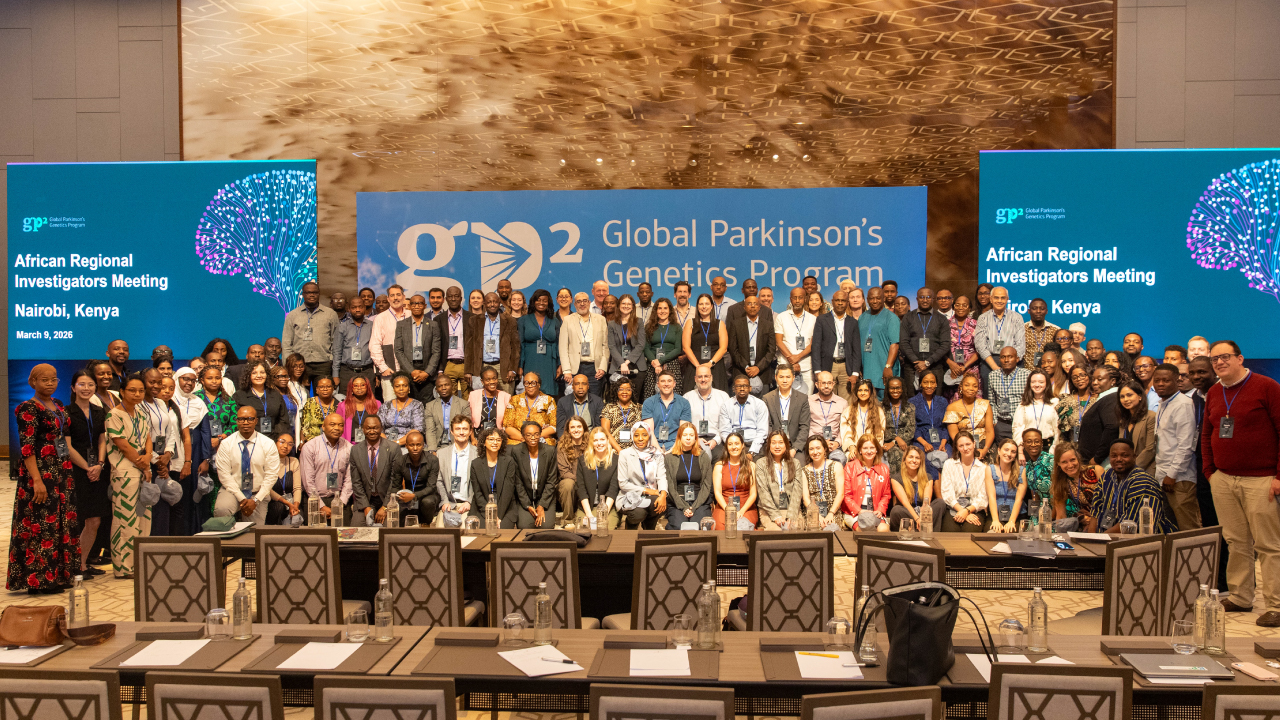
For decades, the African continent has remained a profound blind spot in Parkinson’s disease (PD) genetics. Though home to some of the highest global genomic diversity, African populations have been systematically underrepresented in neurodegenerative research. However, the tide is turning. On March 9-10, 2026, 126 researchers, clinicians, and trainees from 25 countries, including 89 attendees from 15 African countries, gathered in Nairobi, Kenya, for the GP2 Regional Investigators Meeting (RIM) to shed light on how local leadership and global collaboration are reshaping the future of PD research.
As the region with the highest projected increase in PD prevalence by 20501, Africa’s need for sustainable, local research infrastructure has never been more urgent. The Nairobi RIM coalesced around a powerful theme: closing the gap in representation is not just about collecting samples from underrepresented populations; it is about empowering African scientists to lead the discoveries.
Below, we share key highlights from the gathering, including groundbreaking research advances enabled by GP2, the barriers that remain to research progress, and the transformative perspectives of African trainees.
Research Advances in African Ancestry Populations
PD research studying African populations continues to build on the momentum of the first African Ancestry GWAS in 2023, which uncovered the novel GBA1 risk variant rs3115534. Dr. Njideka Okubadejo previewed findings from a follow-up GWAS, which compared risk factors across multiple ancestries using data from GP2 Data Release 11 to identify several genome-wide significant hits. These results demonstrate that inclusion of African-ancestry populations in GWAS provides not only new targets that may ultimately inform precision medicine approaches in African populations, but also confirmatory evidence that supports current therapeutic strategies targeting lysosomal pathways.
In addition, local African cohorts are making strides in recruiting study participants and deep clinical phenotyping. The largest cohort to date is the Nigerian cohort from the Nigerian PD Research Network, with over 3,100 PD patients and 4,200 controls enrolled. The network has entered Phase 3 of its study, collecting additional biological samples, coordinating longitudinal follow-ups, characterizing monogenic PD in hopes of elucidating genetic mysteries, and including prodromal PD-associated REM sleep behavior disorder and anosmia. Other cohorts are also making progress: the South African cohort reported successful recruitment of just under 1,000 PD patients, while the TraPCAf cohort, spanning 11 sites in seven countries, recently met its 1,000-patient target and is now collecting multiple types of biosamples from participants.
Several African countries are also making headway in the initial stages of cohort building. Newer cohort sites, such as those in Mali, Madagascar, and Cameroon, are now recruiting patients while tackling challenges like the unavailability of medications, lack of community engagement, and complicated administrative procedures. These barriers have not dimmed GP2 members’ dedication, however – as Daniel Gams of the Cameroon Parkinson’s Multicenter Project proudly proclaimed, “we are ready to start!”
Tackling Barriers to Progress
African researchers are not only tasked with the massive scientific question of uncovering genetic risk factors in a relatively unexplored population, but they must also contend with structural, logistical, and technical challenges. The Nairobi meeting hosted two “fireside chat” sessions and a conversation with the GP2 Underrepresented Populations Working Group to unpack the systemic hurdles that local researchers must tackle and how the GP2 community can move forward.
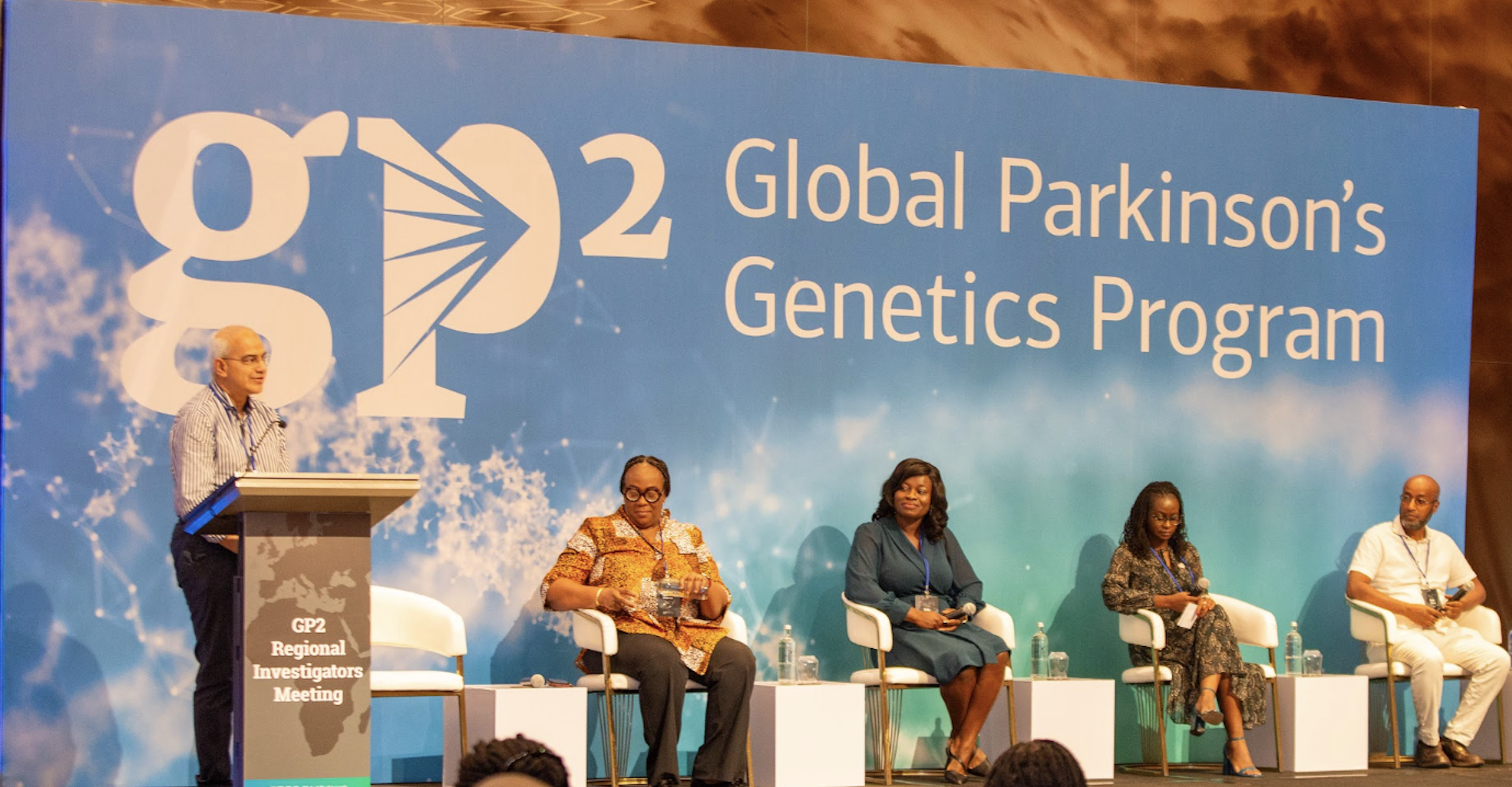
Fireside chat at the GP2 Regional Investigators Meeting
Conducting clinical PD research is no small feat. It requires allotted funding, expensive wet lab infrastructure, cooperative institutional administration, and a specialized workforce. While researchers in North America or Europe may take some of these resources for granted, African researchers must continually contend with challenges across multiple facets of their work. Because genetic studies have historically bypassed local African institutions, many institutions lack a fundamental understanding of the processes involved, tying researchers up in a red tape of ethical approvals and data privacy concerns. Once a study is approved, researchers must next navigate restrictions on the importation of laboratory consumables and the lack of specialized equipment and infrastructure for biosample storage. There is also a fundamental struggle for research funding – in many African countries, PD is simply not a top public health priority compared to infectious diseases like HIV, malaria, or tuberculosis.
One major theme that arose from discussions at the Nairobi RIM was the tension between clinical responsibilities and research goals. There is no clear, standard pathway to genetics research for an aspiring African scientist, and the overwhelming majority of clinical researchers in Africa are also practicing physicians. Local institutions rarely recognize the need for dedicated research time, and clinicians often must take on the burden of acting not just as an investigator, but also as a recruiter, administrator, and site coordinator. Moreover, the relative rarity of PD research in Africa means clinicians are often operating in silos, without reliable access to training, mentors, or students.
GP2 is helping to address these challenges by supporting international and intercontinental research collaborations that alleviate some of the funding burden on African researchers. The community inherent to GP2’s organization also provides access to a wider network of training and mentorship. Convenings like the Nairobi RIM give researchers the opportunity to connect, learn from each other’s experiences, and align on administrative topics, such as templates for informed consent forms and protocol guidelines. Together, GP2 enables research that was once thought impossible and bolsters a sense of camaraderie that motivates researchers to persevere. Read on to learn how GP2 infrastructure is shaping trainee experiences in Africa.
Trainee Perspectives: Building the Next Generation of Leaders
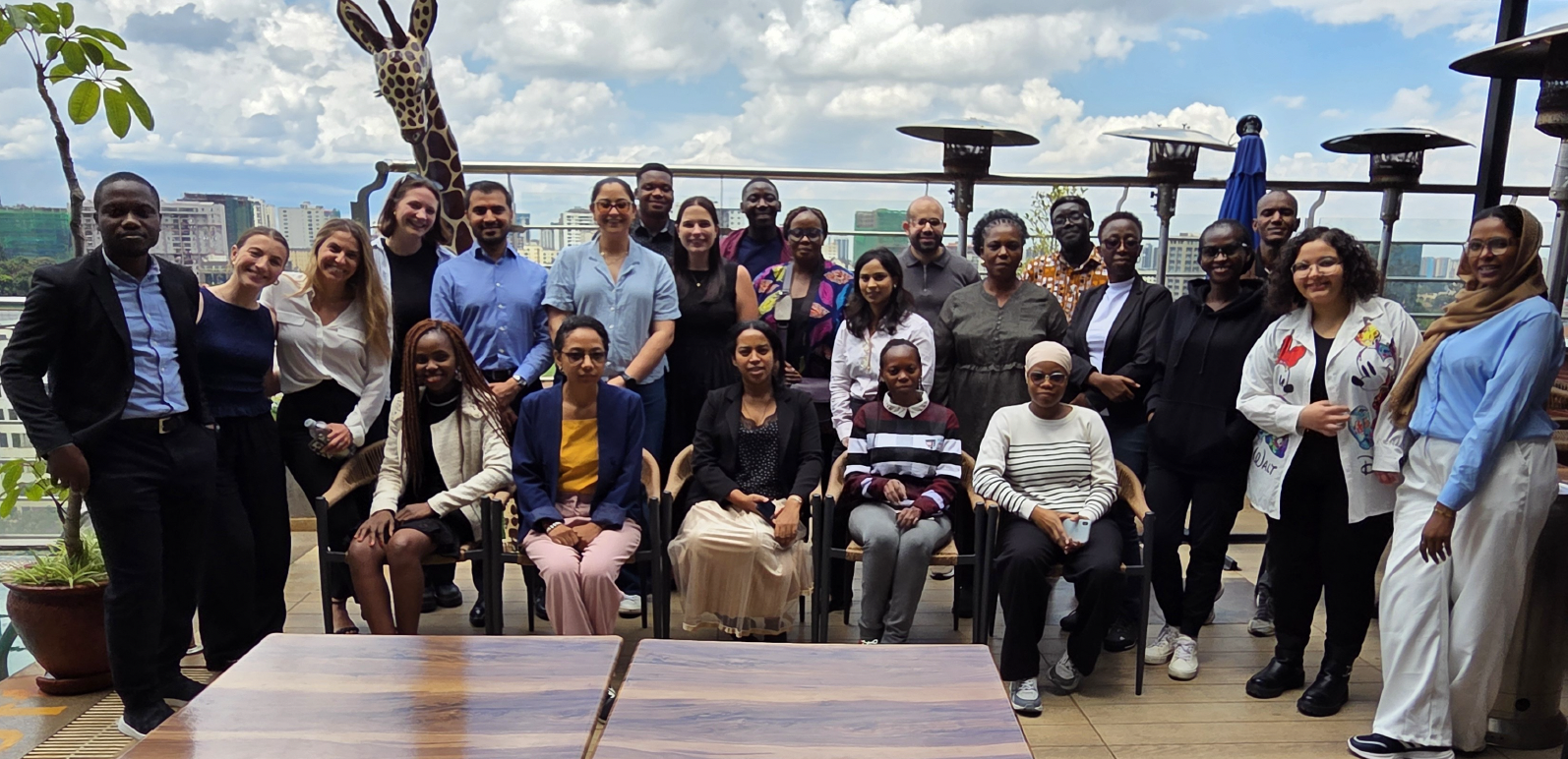
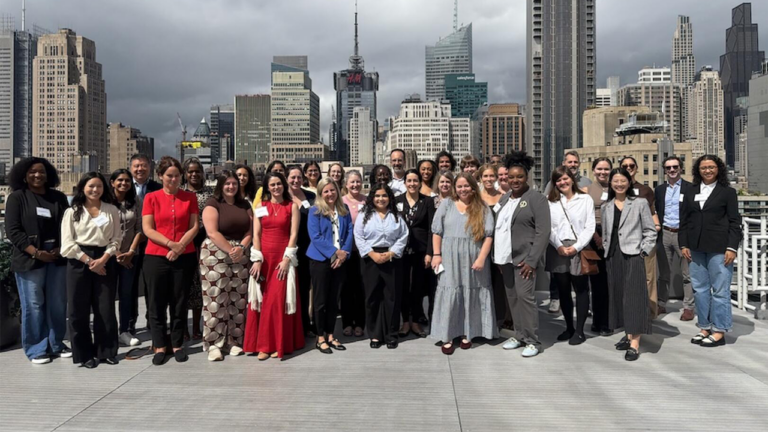
GP2 trainees workshop participants
To combat the underrepresentation of African PD researchers, GP2 has invested in capacity building through its Trainee Network, which, as of August 2026, included 301 active members, over 20% of whom are based in African countries. One aspect of GP2 trainee development includes bioinformatics workshops, which follow the „Train the Trainer“ framework, providing local researchers with data analysis skills to share with their local institutions. Moving away from one-off, externally led workshops, GP2 is building lasting expertise by empowering African clinicians to become bioinformatics trainers themselves. The Nairobi workshop featured 23 fully-funded trainees and was facilitated by both GP2 members and local African researchers, sparking active research projects that trainees continue to develop beyond the scope of the initial workshop. GP2 also hosts an online learning platform accessible in over 100 languages.
We sat down with several African trainees in attendance, all of whom are pursuing GP2-funded doctorate degrees, to learn more about the impact of GP2 on their careers.
Location: Nairobi, Kenya
Institution: Aga Khan University
Position: Neurologist and PhD student
Eunice is pursuing a sub-specialty in neurogenetics, but she does not know of any other neurogeneticist in Africa. She credits GP2 with giving her opportunities to collaborate with researchers across the African continent and build an extended network of support. Access to the broader GP2 network has taught her how other investigators conduct research; for example, she learned about the Identification and Intervention for Dementia in Elderly Africans (IDEA) cognitive screen, validated in Nigerian and Tanzanian populations, that is more relevant to African populations than the Western standard, the Montreal Cognitive Assessment. These connections also give her insight into the challenges other researchers face, providing the comfort that should she encounter obstacles in her own research, others across the continent and beyond may be able to help.
Location: Cape Town, South Africa
Institution: Stellenbosch University
Position: PhD student at time of interview; now a Postdoctoral Fellow
Kathryn cites her experience with the Trainee Network and the “Train the Trainer” workshops as critical to her career trajectory. With limited bioinformatics resources in South Africa, GP2 has granted her access to the Verily platform for analyses of complex biomedical data and given her the mentorship skills to be a GP2 bioinformatics trainer. Over the course of a workshop, she has observed marked changes in the attitudes and abilities of other trainees. She notes that trainees are collectively excited whenever a GP2 project is proposed using African data. Without GP2’s support for her PhD, she doesn’t know if she would have been able to stay in the research field, but she is now pursuing an academic research career.
Location: Sogakope, Ghana
Institution: Richard Novati Catholic Hospital
Position: Public health physician and PhD student
Situated at a rural village hospital, Momodou points to key physical infrastructure from GP2 as bolstering his research career. A GP2-provided -80°C freezer for storing biosamples is the only one of its kind in his region, and GP2 was able to bring internet access to his entire hospital. Moreover, participation in GP2-funded research gives Momodou, and his patients, “a path to representation” in medicine, and he feels more involved in the patient experience by studying patient genomes directly. “Because of GP2,” Momodou says, “I can stay in my village hospital, [but] I can contribute globally.”
Location: Lagos, Nigeria
Institution: University of Lagos
Position: Neurologist and PhD student
Prior to GP2, Lara had limited experience, exclusively studying certain PD-related genetic variants present in patients in her local clinic. GP2 has broadened her focus, allowing her to coordinate the Nigerian PD network. With GP2’s assistance, the research team in Nigeria has expanded, allowing researchers to delegate tasks with greater specificity, an organization that simply wasn’t possible 10 years ago. “GP2 forced me to see beyond the immediate environment of my institution,” Lara says. “In sub-Saharan Africa, work is siloed, and clinicians work alone. GP2 shows me that collaboration is possible.”
Location: Johannesburg, South Africa
Institution: University of the Witwatersrand
Position: Neurologist and MSc student
Saiesha relies on mentorship from the GP2 network to bridge the gap between clinical practice and wet lab research. A significant barrier to her work is the lack of genetics experts in South Africa, but GP2 makes it easier to find research guidance that allows her to invest in her local institution and grow its research capacity.
Location: Constantine, Algeria
Institution: University Hospital Abdelhamid Ben Badis
Position: Neurologist and PhD student
As a Trainee Representative for Africa in GP2’s Training and Networking Working Group, Yasser has observed the impact of GP2 resources not only in his own work, but on the careers of trainees across the continent. He noted that a major concern of trainees is feeling isolated and not knowing how or where to start the process of data analysis. For this reason, GP2 is a critical piece of infrastructure that provides guidance alongside the opportunity to collaborate on impactful, large-scale research projects. With the extended support of mentors across the globe, GP2 is opening doors for younger trainees in a way that “feels like family.”
Looking Forward: A Collaborative Future
The GP2 RIM in Nairobi presented research updates, but it represented much more than data sharing alone: it was a testament to a shifting paradigm in global neurogenetics. By homing in on PD genetics in Africa, a region of rich genetic diversity, researchers are identifying genetic risk factors and biological pathways that may ultimately inform precision medicine not just in Africa, but for the global Parkinson’s community. Sustaining this momentum, however, requires continued commitment to overcoming institutional barriers, funding local wet lab infrastructure, and mentoring the next generation of African researchers. By the conclusion of the Nairobi RIM, the message was clear: building local capacity and fostering international collaborations are key to advancing genetically informed research and therapeutic development in PD. The African research community is no longer just waiting for a cure; they are contributing samples, leading the science, analyzing the data, and shaping the future of PD research.
References
- Steinmetz J, Seeher K, Schiess N et al. Global, regional, and national burden of disorders affecting the nervous system, 1990–2021: a systematic analysis for the Global Burden of Disease Study 2021. The Lancet Neurology, 2024; 23, 344-381.